Abdominal Pain is a symptom defined as discomfort or pain perceived anywhere in the abdominal region. Because the abdomen contains multiple organ systems, it can arise from gastrointestinal causes such as the stomach, intestines, gallbladder, or pancreas, as well as from non-gastrointestinal sources including urinary, gynecologic, vascular, or musculoskeletal conditions. Contributing processes may include inflammation, infection, obstruction, ischemia (reduced blood flow), irritation of the abdominal lining, or functional disorders that alter gut sensation. Risk factors depend on the underlying cause and may include diet-related or medication-related irritation, prior gastrointestinal disease, gallstone risk factors, urinary tract predispositions, and reproductive or hormonal factors. Clinically, abdominal pain is therefore best understood as a broad presenting feature rather than a single diagnosis.
Abdominal pain can vary widely in location, intensity, quality, and timing, ranging from cramping to burning, stabbing, or dull aching. It may be intermittent or persistent, and the onset can be sudden or gradual depending on the cause. Common associated symptoms include nausea, vomiting, diarrhea, constipation, bloating, fever, and reduced appetite, though not all causes produce the same pattern. Clinicians often look for signs such as abdominal tenderness, guarding, or distension, and for changes in vital signs or laboratory results when available. The relationship of pain to meals, bowel movements, or movement, as well as whether pain radiates to the back or shoulder, can help characterize how it commonly presents.
Historically, abdominal pain has been recognized since early medical writings, but modern medicine has refined how it is categorized through advances in anatomy, pathology, and diagnostic imaging. The term remains nonspecific and functions as a clinical descriptor that prompts evaluation for particular etiologies. In everyday practice, abdominal pain is frequently encountered in primary care and emergency settings across age groups, reflecting the wide range of possible causes. Over time, terminology has increasingly distinguished pain by anatomic location (such as epigastric or lower abdominal) and by suspected mechanism, including inflammatory, obstructive, ischemic, infectious, or functional categories. Epidemiologically, its prevalence and broad differential make it a common reason for medical assessment, with diagnostic strategies tailored to the suspected source.
Note: This description was generated by AI and may contain inaccurate information.

Artist: Robystarm07. Credit: Own work. License: CC0. Source: https://commons.wikimedia.org/wiki/File:Abdominal_pain.jpg .
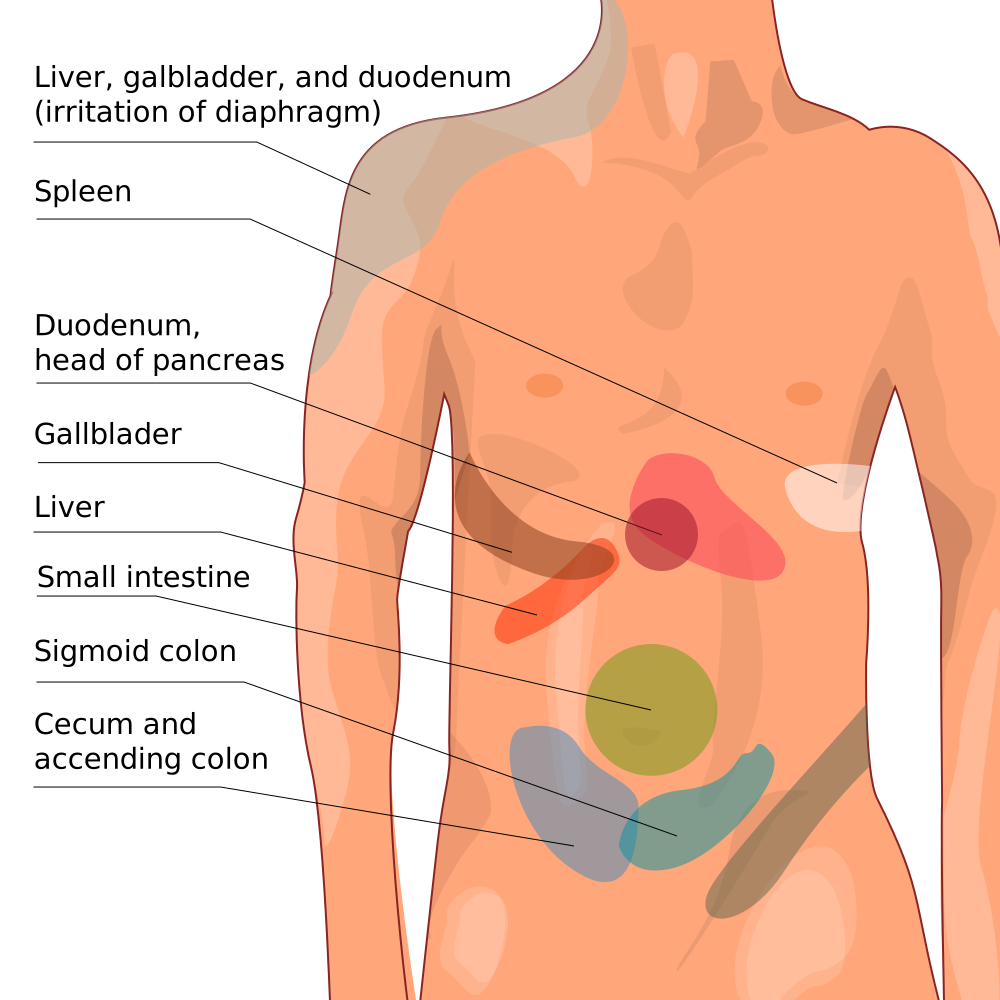
Artist: Hariadhi. Credit: Own work. License: CC BY-SA 4.0. Source: https://commons.wikimedia.org/wiki/File:Abdominal_pain_hariadhi.svg .