
Abscess is a localized collection of pus that forms within tissue due to infection. It typically develops when bacteria enter through a break in the skin, such as a cut, puncture, or injection site, or when infection spreads from an adjacent area. In some cases, abscesses arise from internal sources, including infected glands, dental infections, or complications of inflammatory conditions. Risk factors commonly include skin trauma, poor wound healing, diabetes, immune suppression, and conditions that increase susceptibility to bacterial infection. The process involves an inflammatory immune response that walls off the infected material, creating a confined pocket of pus. Depending on location and depth, an abscess may involve superficial skin layers or deeper tissues and organs. Abscesses commonly present as a tender, swollen area that may be red and warm, reflecting active inflammation. The site often becomes increasingly painful over time, and the mass may feel firm early and later become fluctuant as pus accumulates. Some people experience systemic symptoms such as fever, chills, fatigue, or a general feeling of illness, particularly when the infection is more extensive. If the abscess is near the surface, drainage may occur spontaneously, sometimes accompanied by a foul-smelling discharge. When located internally, symptoms can be less obvious and may include localized pain, pressure, or dysfunction of the affected organ. In dental abscesses, for example, pain may be associated with a specific tooth or gum swelling. The term “abscess” has long been used in medical practice to describe a pus-forming infection that produces a localized cavity. Historically, before modern microbiology, abscesses were recognized by their characteristic swelling, tenderness, and tendency to form a “pocket” of pus. With the development of germ theory and improved understanding of bacterial infections, abscesses became more clearly linked to specific pathogens and routes of entry. Epidemiologically, abscesses occur across age groups and are influenced by factors such as hygiene, access to care, and underlying health conditions that affect immunity. In clinical settings, abscesses are often categorized by location, such as skin and soft tissue, dental, or internal organ abscesses, reflecting differences in presentation and diagnostic approach. Their formation is a common pathological outcome of bacterial infection and represents a classic example of the body’s attempt to contain infection. Note: This description was generated by AI and may contain inaccurate information.
Note: This description was generated by AI and may contain inaccurate information.
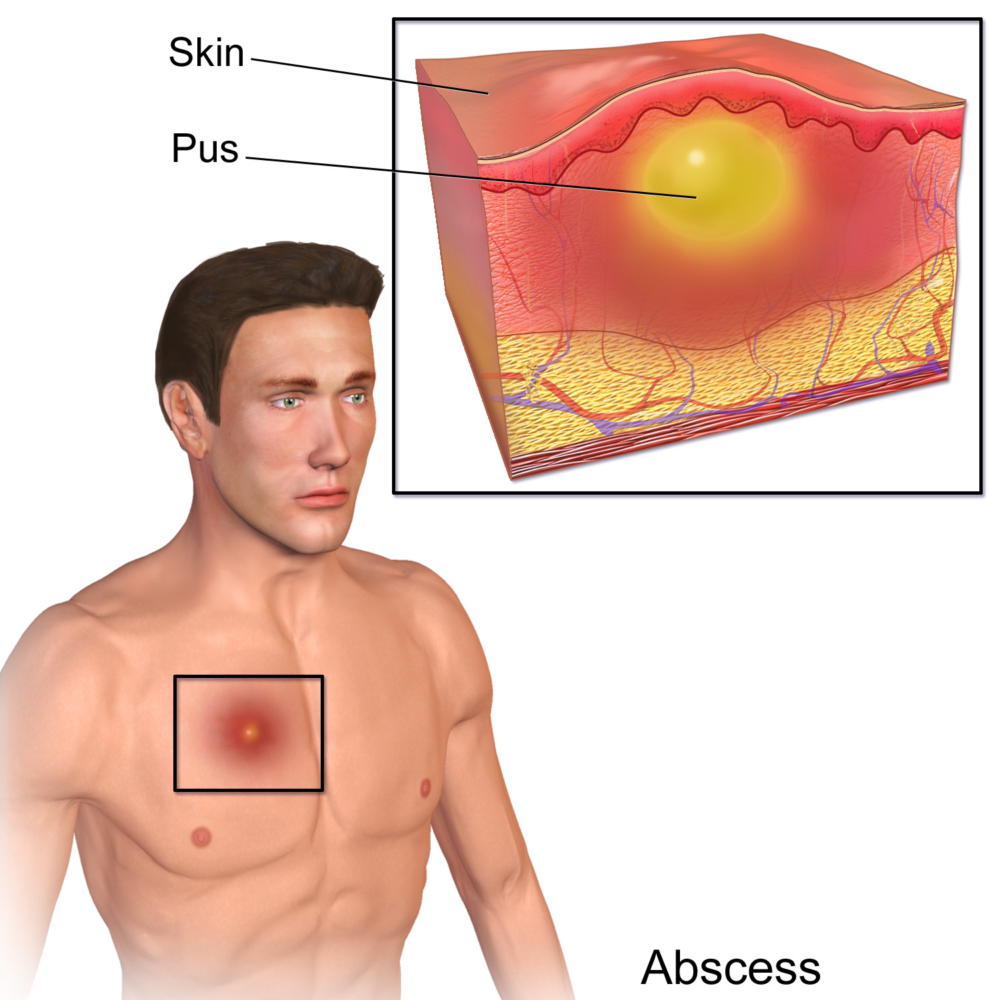
Artist: BruceBlaus. When using this image in external sources it can be cited as: Blausen.com staff (2014). “Medical gallery of Blausen Medical 2014”. WikiJournal of Medicine 1 (2). DOI:10.15347/wjm/2014.010. ISSN 2002-4436.. Credit: Own work. License: CC BY 3.0. Source:
https://commons.wikimedia.org/wiki/File:Blausen_0007_Abscess.png
.
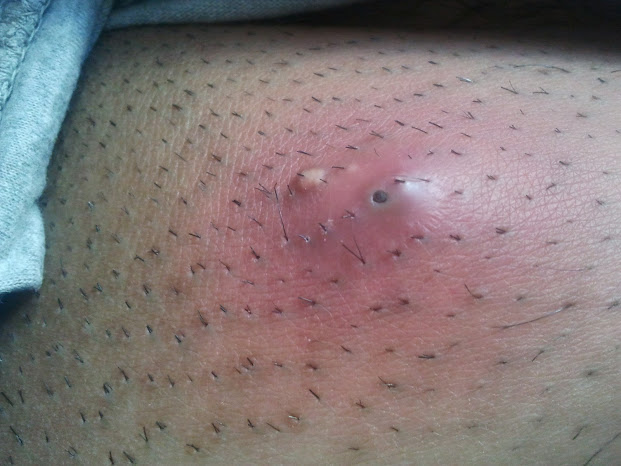
Artist: Amrith Raj. Credit: Own work. License: CC BY-SA 3.0. Source:
https://commons.wikimedia.org/wiki/File:Five_day_old_Abscess.jpg
.