ADHD (Attention-Deficit/Hyperactivity Disorder) is a neurodevelopmental condition characterized by persistent patterns of inattention and/or hyperactivity and impulsivity that interfere with functioning. It typically begins in childhood and can continue into adolescence and adulthood, affecting learning, social relationships, and daily activities. ADHD is thought to involve differences in brain development and brain networks that support attention regulation, impulse control, and executive functioning. Contributing factors may include genetic influences, with family history increasing risk, as well as environmental and developmental factors that can affect neurodevelopment. Risk can also be influenced by prenatal and early-life exposures, though the condition is not caused by a single factor in most cases.
Commonly, ADHD presents with symptoms such as difficulty sustaining attention, frequent careless mistakes, trouble organizing tasks, and losing items or forgetting activities. In some people, hyperactivity may show up as restlessness, excessive talking, or difficulty remaining seated, while impulsivity may appear as interrupting others, blurting out answers, or acting without considering consequences. Symptoms often vary by setting, with many individuals showing more challenges in structured environments that require sustained mental effort. In children, behavioral concerns may be noticed at school, while in adults it may be reflected in work performance, time management difficulties, and challenges with planning. For diagnosis, clinicians generally look for symptoms that are present across multiple settings and that cause clinically significant impairment, rather than brief or situational behaviors alone.
ADHD has been recognized under different names over time, including historical descriptions of “hyperkinetic” behavior and attention problems. In the 20th century, research and clinical classifications increasingly focused on the combination of attention difficulties and hyperactivity/impulsivity, leading to modern diagnostic frameworks. The term Attention-Deficit/Hyperactivity Disorder reflects the two major symptom domains and is used in major diagnostic manuals. Epidemiologic studies suggest ADHD is relatively common worldwide, with prevalence estimates varying by study design, diagnostic criteria, and how symptoms are assessed. Ongoing research continues to refine understanding of subtypes, developmental trajectories, and how ADHD may co-occur with other conditions such as learning difficulties or anxiety and mood disorders.
Note: This description was generated by AI and may contain inaccurate information.
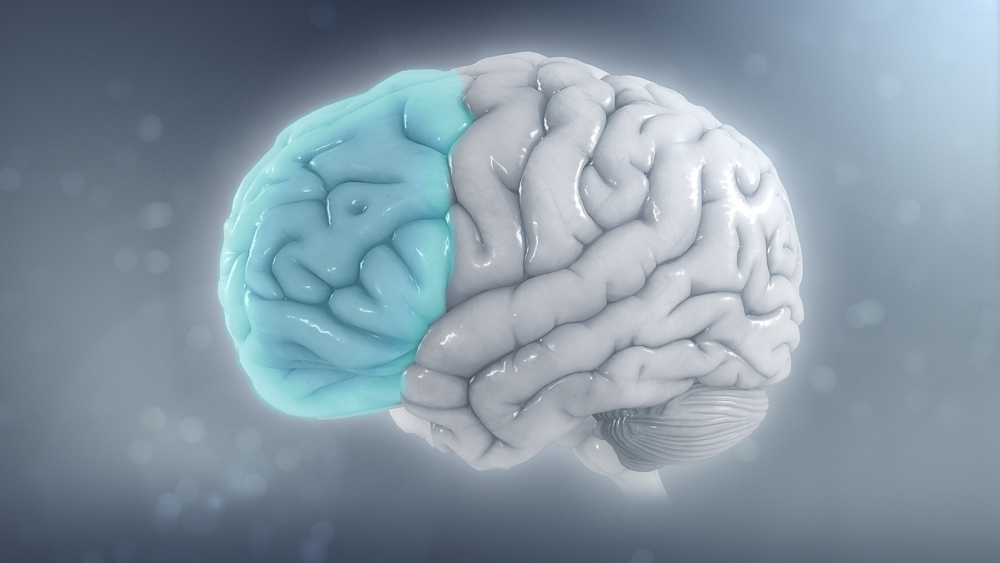
Original Image Producer: https://www.scientificanimations.com/. Credit: http://www.scientificanimations.com/wiki-images/. License: CC BY-SA 4.0. Link to Source: https://commons.wikimedia.org/wiki/File:Attention_deficit_hyperactivity_disorder_-_Attention_deficit_hyperactivity_disorder_-_Reduced_brain_volume_on_the_left_side_from_ADHD.jpg .
| ID | Title |
|---|---|
| 400494 | ATEC Score Drops from 55 to 6 |